blog details
Discover in-depth perspectives, practical knowledge, and thoughtful analysis designed to inform, inspire, and engage
Landscape
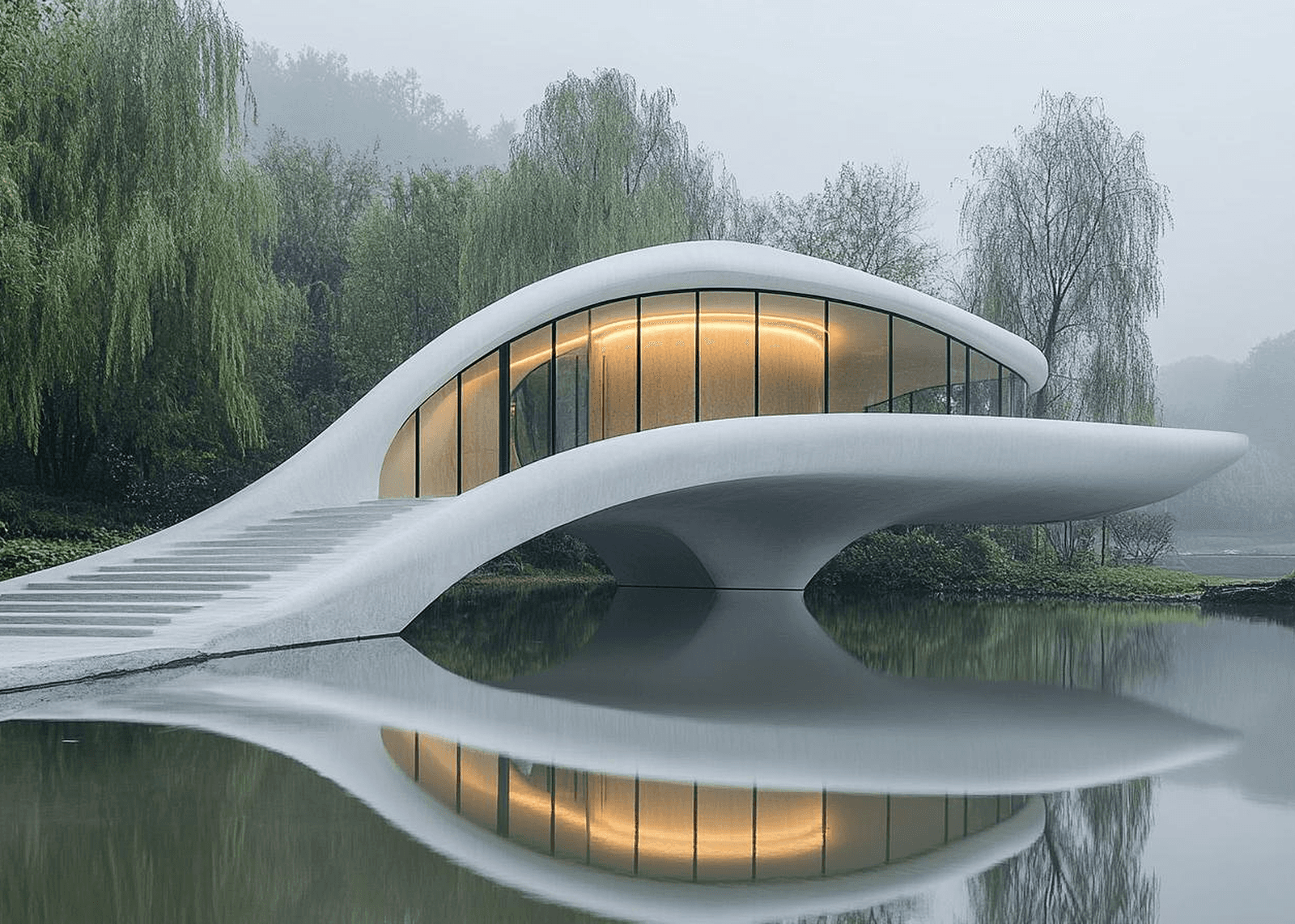
Modern Architecture Design Tips for Energy Efficient Homes
Energy efficiency has become a key focus in modern architecture as homeowners and architects seek sustainable solutions that reduce environmental impact and lower energy costs. With rising energy demands and increasing awareness of climate change, designing energy efficient homes has become an essential part of modern residential architecture. Energy efficient homes are designed to use less electricity and fuel while maintaining comfort, functionality, and aesthetic appeal.
Modern architecture integrates innovative design strategies, advanced building materials, and renewable energy technologies to create homes that perform efficiently throughout the year. These architectural solutions not only help conserve resources but also create healthier and more comfortable living environments.
Smart Building Orientation and Site Planning
One of the most important aspects of designing an energy efficient home is proper building orientation. Architects carefully study the position of the sun, wind direction, and surrounding landscape before designing a home. Proper orientation allows homes to maximise natural sunlight during colder seasons while minimising excessive heat gain during warmer months. Large windows facing the right direction can allow natural light to enter the home throughout the day, reducing the need for artificial lighting. At the same time, shading devices such as overhangs and louvres can protect the interior from excessive solar heat. Thoughtful site planning also considers natural ventilation pathways that allow fresh air to flow through the house, reducing the need for mechanical cooling systems.
The Future of Energy Efficient Home Architecture
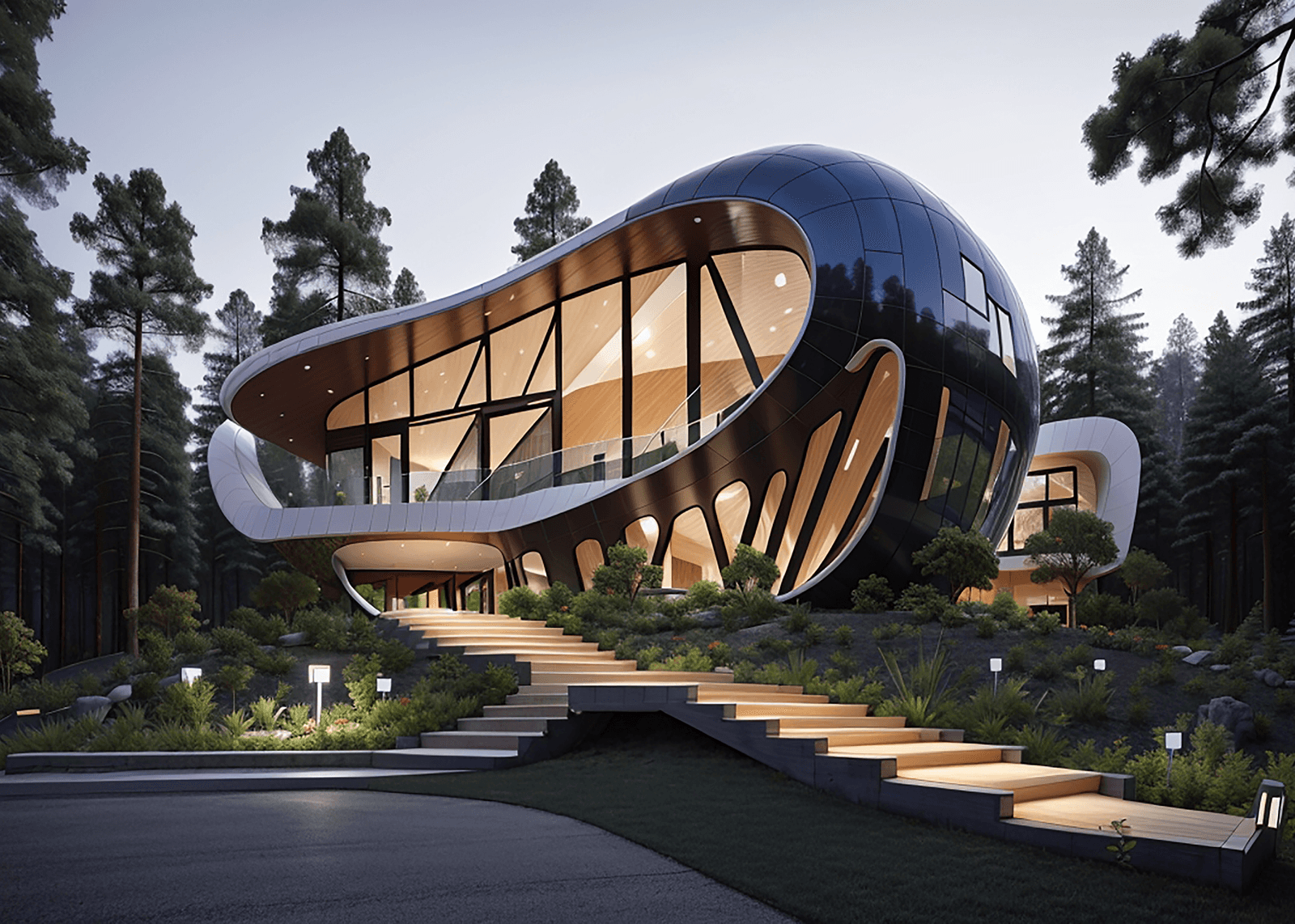
Energy efficient home design will continue to evolve as architects explore new technologies and sustainable solutions. Innovations such as net zero energy homes, energy storage systems, and advanced building automation are shaping the future of residential architecture. Future homes may be capable of producing as much energy as they consume, creating self-sufficient living environments. Architects are also exploring modular construction methods and advanced materials that further improve energy efficiency and reduce construction waste.
Conclusion
Modern architecture design tips for energy efficient homes highlight the importance of thoughtful planning, advanced materials, and innovative technology. By focusing on building orientation, insulation, natural lighting, renewable energy, and smart home systems, architects can design homes that significantly reduce energy consumption. Energy efficient homes not only lower utility costs but also contribute to environmental sustainability and improved quality of life. As sustainable architecture continues to evolve, energy efficient design will remain a fundamental principle in shaping the future of modern homes.