Service Details
We combine expertise, creativity, and attention to detail to deliver solutions that exceed expectations and add lasting value
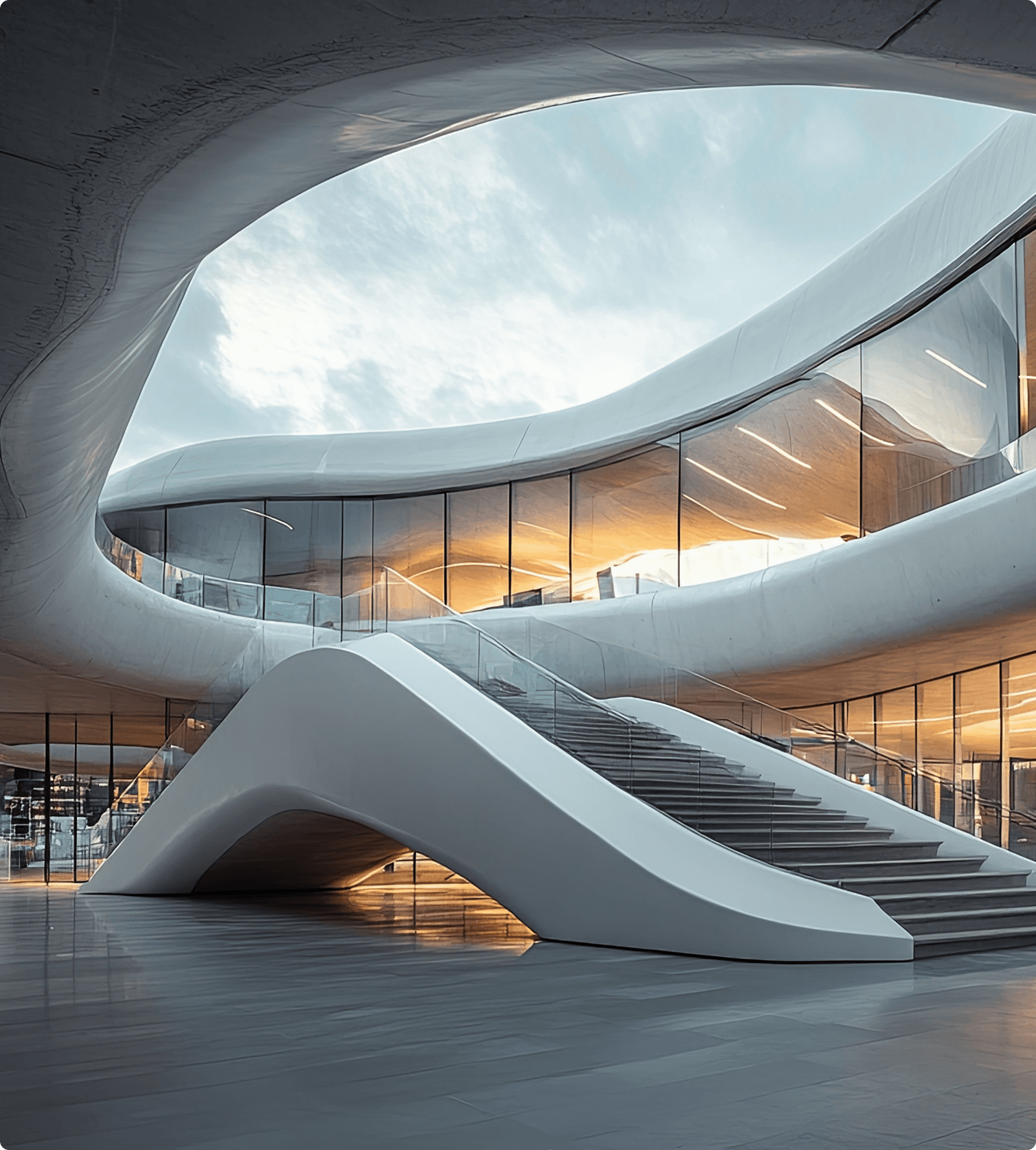
Commercial Spaces design
Commercial spaces design is a specialised branch of architecture focused on creating functional, efficient, and visually appealing environments for businesses. From offices and retail stores to restaurants, co-working hubs, and hospitality projects, commercial architecture blends creativity with practicality to meet the unique needs of businesses and their customers.
The goal of commercial spaces design is to create environments that reflect a brand’s identity, encourage productivity, and deliver memorable experiences. Unlike residential design, commercial architecture must balance aesthetics with operational requirements, safety regulations, and customer engagement.
Tailored Designs for Business Needs
Every business has distinct requirements based on its industry, target audience, and organisational culture. Architects work closely with clients to understand their objectives, workflows, and branding goals. This collaboration ensures that each commercial space is tailored to optimise efficiency and enhance user experience.
From open-plan office layouts that foster collaboration to retail spaces that maximise product visibility, every detail is carefully considered. Functional aspects such as circulation, storage, lighting, and accessibility are integrated seamlessly into the design.
Balancing Functionality and Brand Identity
Commercial spaces must not only function well but also communicate the brand’s values and personality. Modern commercial architecture combines practical solutions with visual storytelling. Design elements such as colour schemes, materials, and spatial layouts are used to reinforce a company’s identity.
For example, tech startups may prefer sleek, minimalist interiors with flexible workspace, while hospitality or retail businesses often incorporate bold design statements to attract customers. The right combination of form and function ensures that commercial spaces leave a lasting impression while supporting day-to-day operations.
“ Working with this architecture team has been an absolute pleasure. From the very first consultation, they took the time to understand our vision and lifestyle needs. Their concept designs were not only creative but also highly functional. ”
Almond d. dowson
Founder
Technology Integration
Smart technology is a major trend in commercial architecture. Buildings increasingly incorporate automated lighting, climate control, security systems, and energy monitoring tools. These technologies improve operational efficiency, reduce energy consumption, and enhance user convenience. Commercial spaces equipped with advanced technology provide better comfort, safety, and functionality. They also demonstrate a company’s commitment to innovation and modern workplace practices.
Conclusion
Commercial spaces design combines functionality, aesthetics, and sustainability to create environments that inspire, support productivity, and strengthen brand identity. By balancing operational efficiency with user experience and integrating flexible, sustainable, and technology-driven solutions, architects create spaces that are both practical and memorable.