blog details
Discover in-depth perspectives, practical knowledge, and thoughtful analysis designed to inform, inspire, and engage
architecture
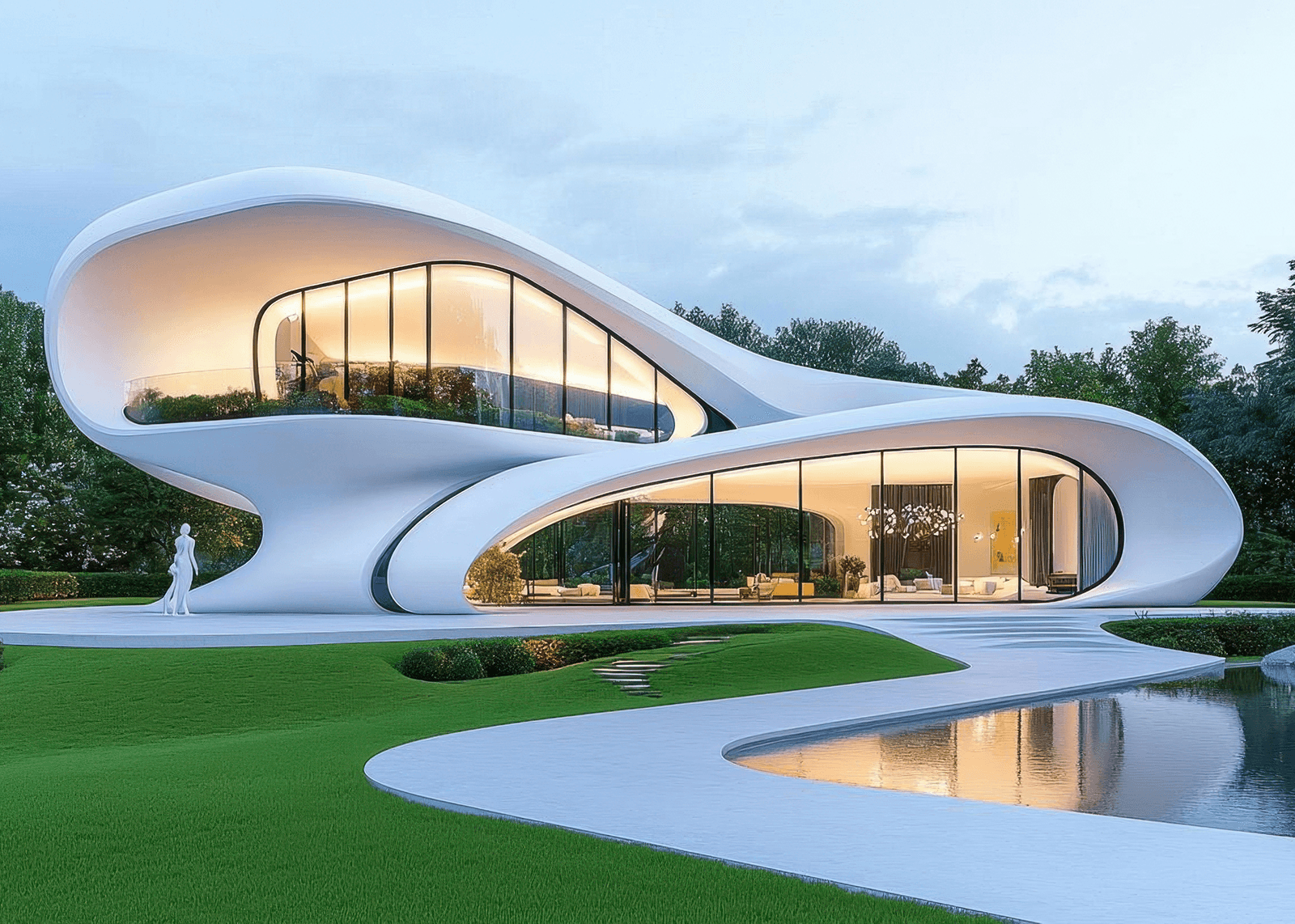
Modern Architecture Trends for Sustainable City Design
Modern architecture is rapidly evolving to address the environmental, social, and economic challenges faced by growing urban populations. Sustainable city design has become a central focus for architects, planners, and developers who aim to create urban environments that support both human well-being and environmental responsibility. As cities expand and resources become more limited, modern architecture is shifting toward smarter, greener, and more efficient design approaches.
Sustainable city design in modern architecture focuses on reducing environmental impact, improving energy efficiency, and creating healthier living spaces. This approach combines innovative technologies, sustainable materials, and thoughtful urban planning to build cities that can thrive in the long term. Modern architectural trends are increasingly shaped by the need to create resilient and environmentally responsible urban environments.
The Growing Importance of Green Urban Infrastructure
One of the most significant trends in sustainable city design is the development of green urban infrastructure. Modern architecture is increasingly integrating natural elements into urban spaces to improve environmental performance and enhance quality of life. Green roofs, urban parks, tree-lined streets, and vertical gardens are becoming common features in modern cities.
Energy-Efficient Building Design in Urban Development
Energy efficiency has become a cornerstone of sustainable architecture. Modern buildings are designed to minimise energy consumption while maintaining comfort and performance. Architects are carefully considering building orientation, natural lighting, and ventilation strategies to reduce dependence on mechanical heating and cooling systems.
Advanced insulation, energy-efficient glazing, and high-performance building envelopes are widely used to improve energy performance. Many modern buildings also incorporate renewable energy sources such as solar panels and geothermal systems. These technologies allow buildings to produce clean energy while reducing reliance on fossil fuels.
Mixed-Use Development and Compact City Planning
Modern architecture is also embracing mixed-use development as a key strategy for sustainable city design. Mixed-use buildings combine residential, commercial, and recreational spaces within the same development. This approach reduces the need for long commutes and encourages more walk-able urban environments.
Compact city planning supports efficient land use and reduces urban sprawl. By concentrating development in well-designed urban centres, architects and planners can create vibrant communities where people can live, work, and socialise within close proximity. This reduces transportation emissions and improves overall urban efficiency.