blog details
Discover in-depth perspectives, practical knowledge, and thoughtful analysis designed to inform, inspire, and engage
interior
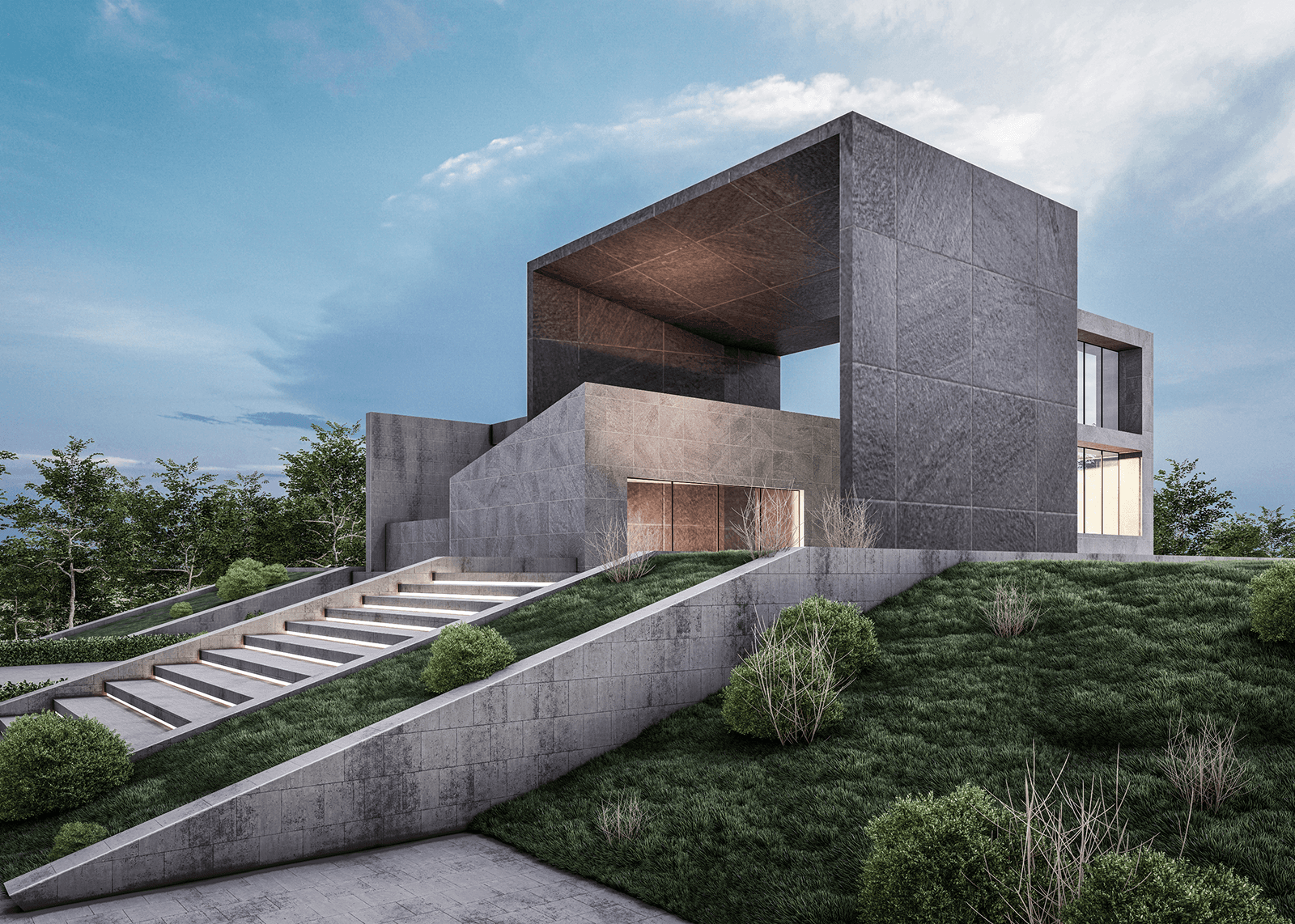
Modern Home Architecture Design Ideas for Better Living
Modern home architecture has evolved to focus not only on aesthetics but also on comfort, efficiency, and the overall quality of life. Today’s homeowners are looking for spaces that support healthy living, energy efficiency, and a strong connection with nature. As a result, architects are designing homes that combine innovative design principles with sustainable solutions.
Modern architecture emphasises simplicity, functionality, and open living spaces. Clean lines, natural light, and thoughtful layouts are key features that define modern homes. By integrating smart technologies, sustainable materials, and efficient design strategies, modern home architecture creates environments that promote better living for individuals and families.
Open Space Living and Functional Layouts
One of the defining characteristics of modern home architecture is the use of open floor plans. Traditional homes often separated rooms with multiple walls and corridors, but modern designs prioritise openness and flexibility. Living rooms, dining areas, and kitchens are often connected to create a seamless and spacious environment. Open layouts encourage natural light to travel throughout the home and create a sense of visual continuity. These spaces also improve social interaction among family members, making homes feel more welcoming and connected. Functional layouts that prioritise ease of movement and efficient use of space contribute significantly to a comfortable living environment.
Sustainable Materials and Eco-Friendly Construction
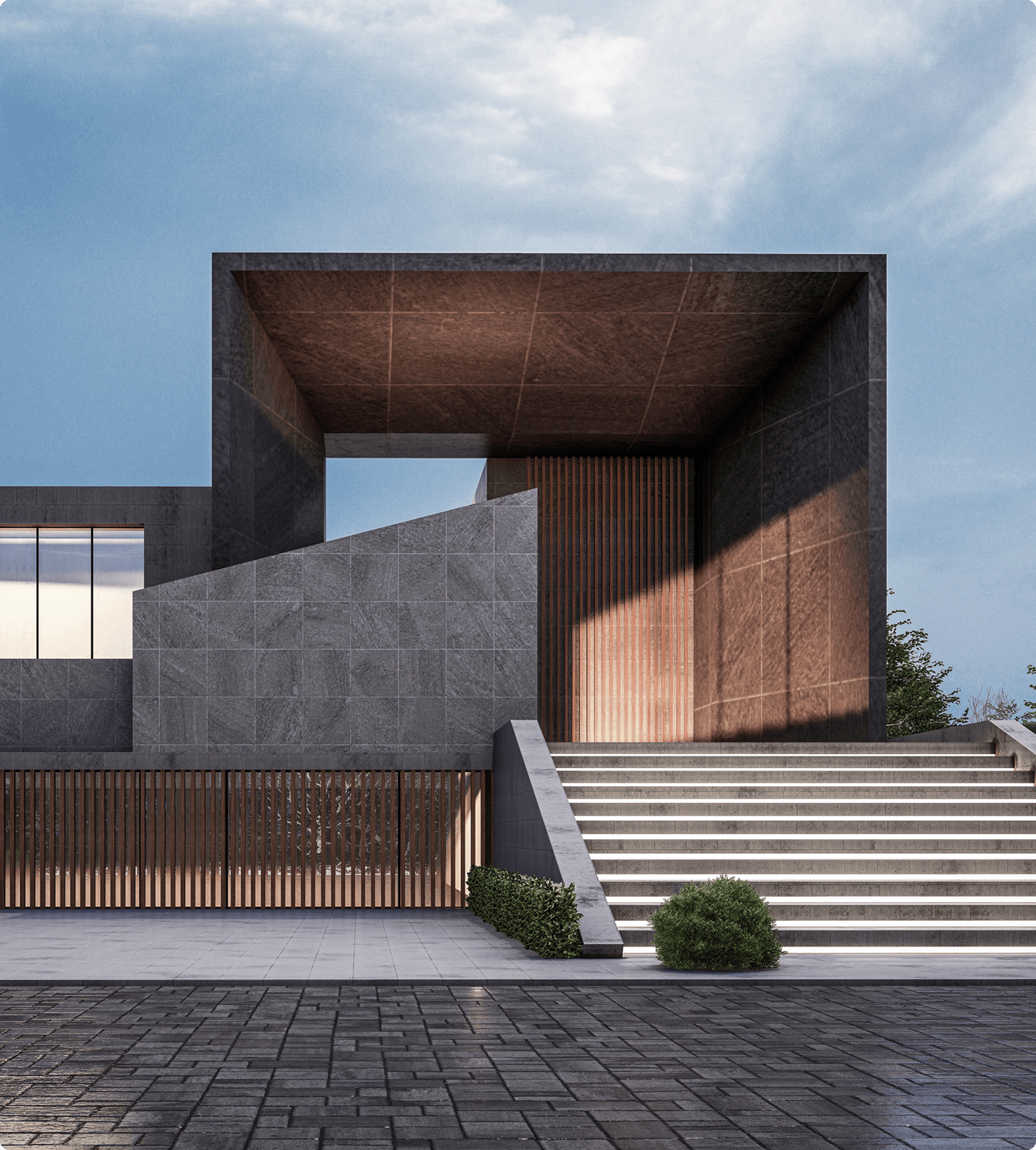
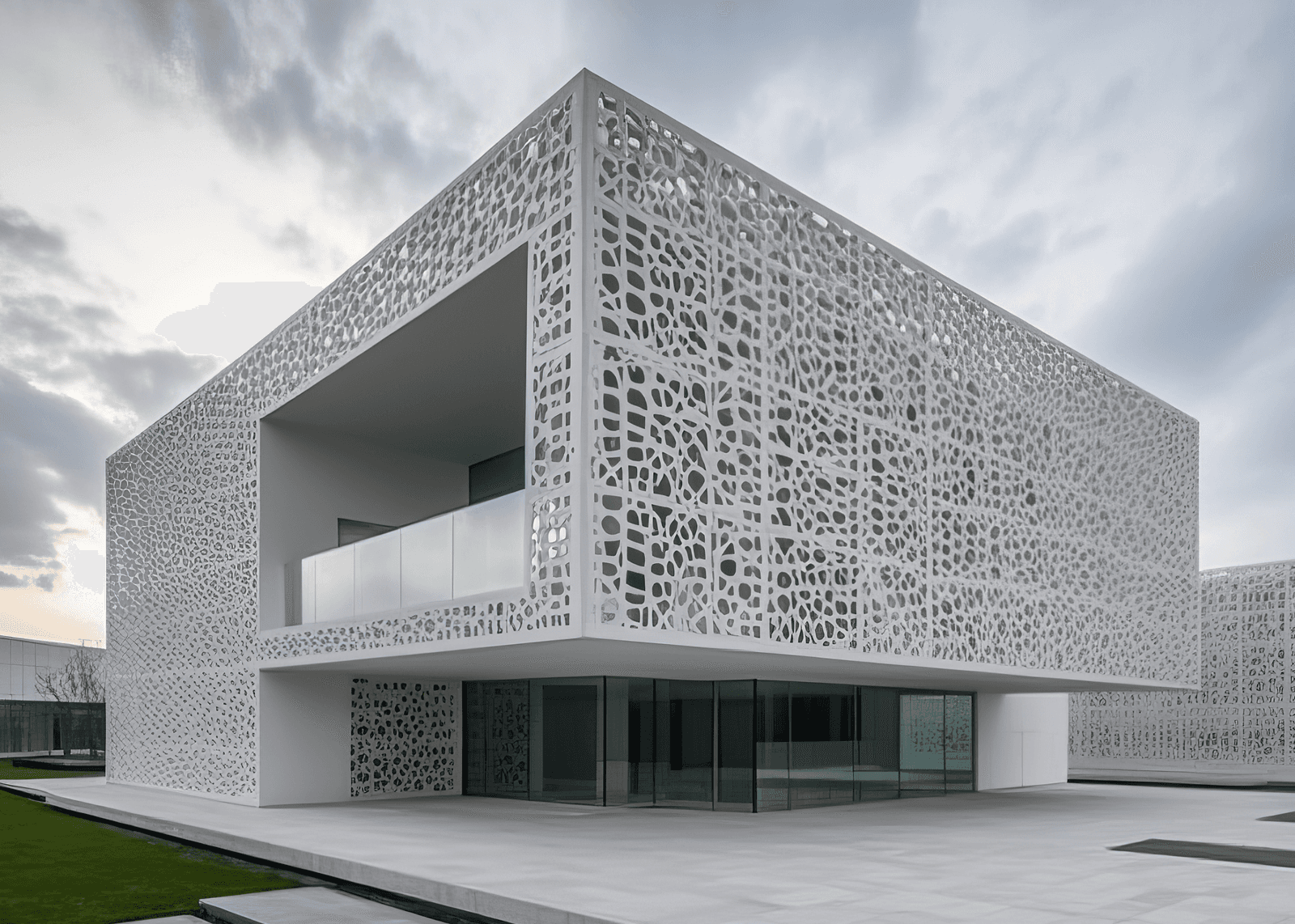
Modern home architecture increasingly focuses on sustainability by using environmentally friendly building materials. Sustainable materials help reduce environmental impact while improving the durability and performance of buildings.
Materials such as reclaimed wood, bamboo, natural stone, and recycled metal are commonly used in modern homes. These materials not only support sustainable construction practices but also add warmth and character to architectural spaces. Low-VOC paints, eco-friendly insulation, and sustainable flooring options contribute to healthier indoor environments. Architects are also prioritising locally sourced materials to reduce transportation emissions and support regional industries.
Indoor and Outdoor Living Integration
Another important trend in modern home architecture is the seamless integration of indoor and outdoor spaces. Architects design homes that connect interior living areas with gardens, patios, balconies, and courtyards. Large sliding doors and glass panels create visual continuity between the inside and outside environments. Outdoor living spaces provide additional areas for relaxation, entertainment, and recreation. They also encourage homeowners to spend more time in nature, which supports mental and physical well-being. Landscaped gardens, shaded terraces, and rooftop spaces enhance the overall living experience.