blog details
Discover in-depth perspectives, practical knowledge, and thoughtful analysis designed to inform, inspire, and engage
architecture
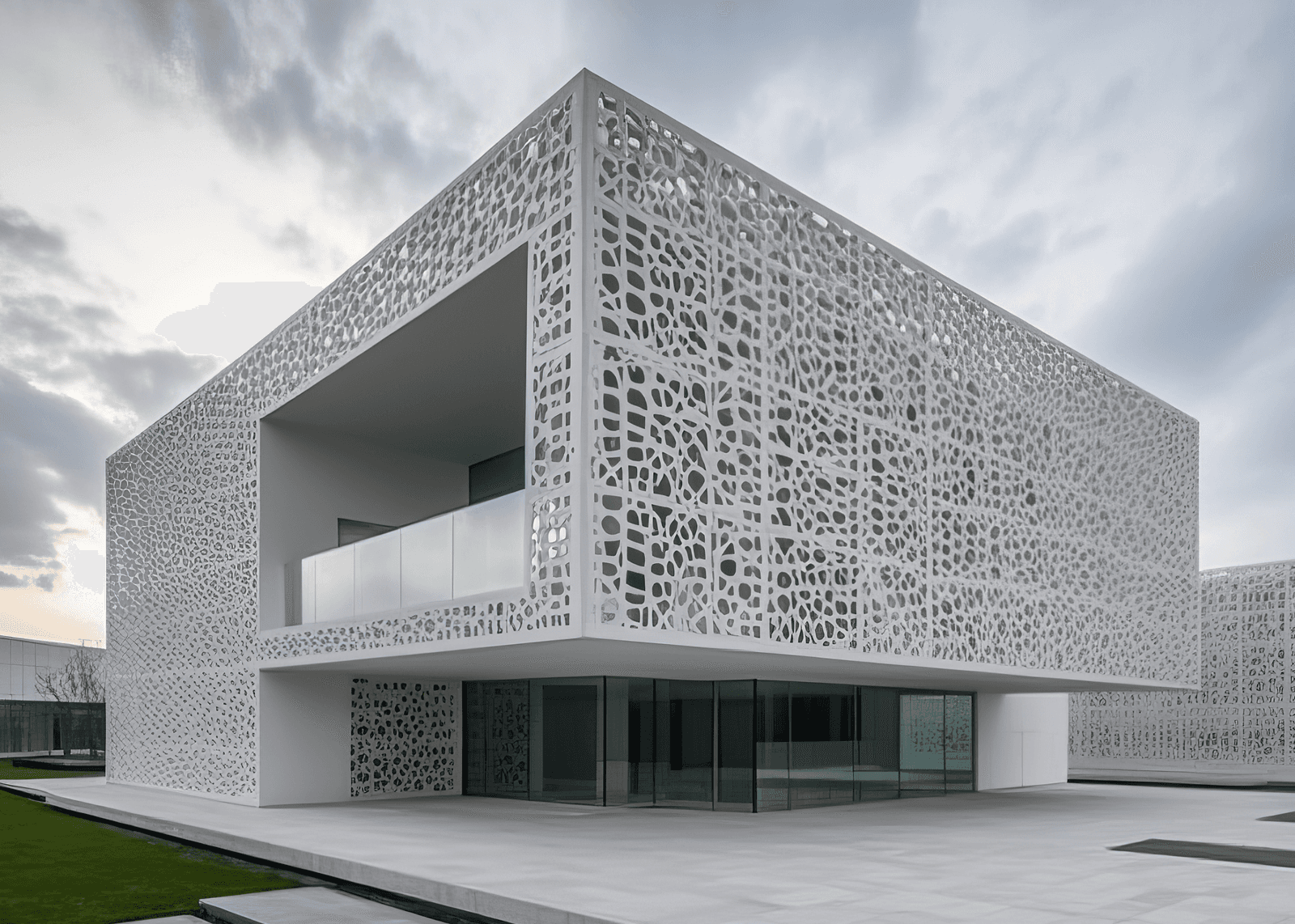
Sustainable Building Design Trends in Modern Architecture
Modern architecture is no longer focused only on visual design or structural innovation. Instead, it emphasizes long-term environmental responsibility, energy efficiency, and smart use of materials. Sustainable building design trends are shaping how architects plan, construct, and manage buildings in today’s world.
Energy Efficient Building Systems
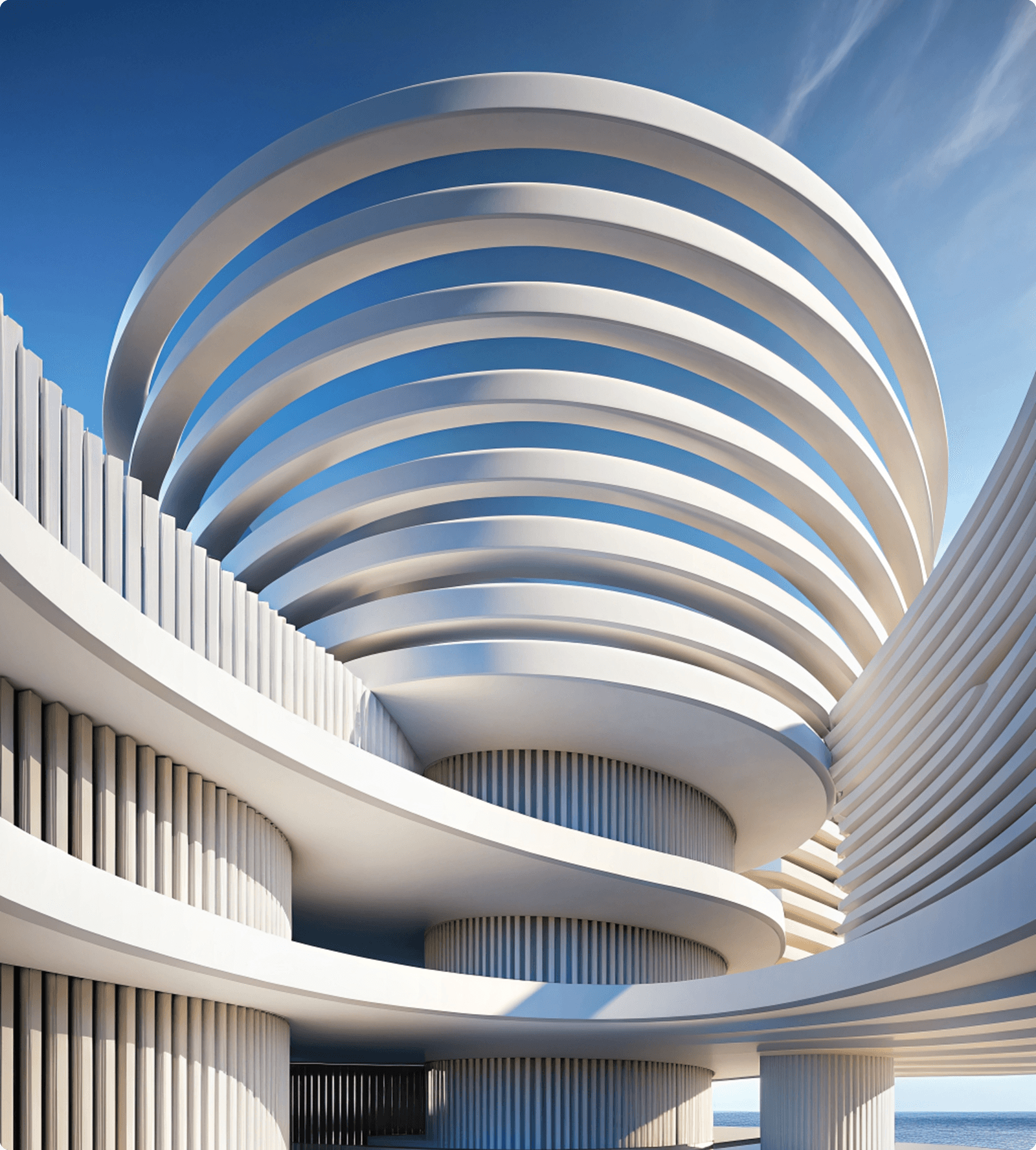
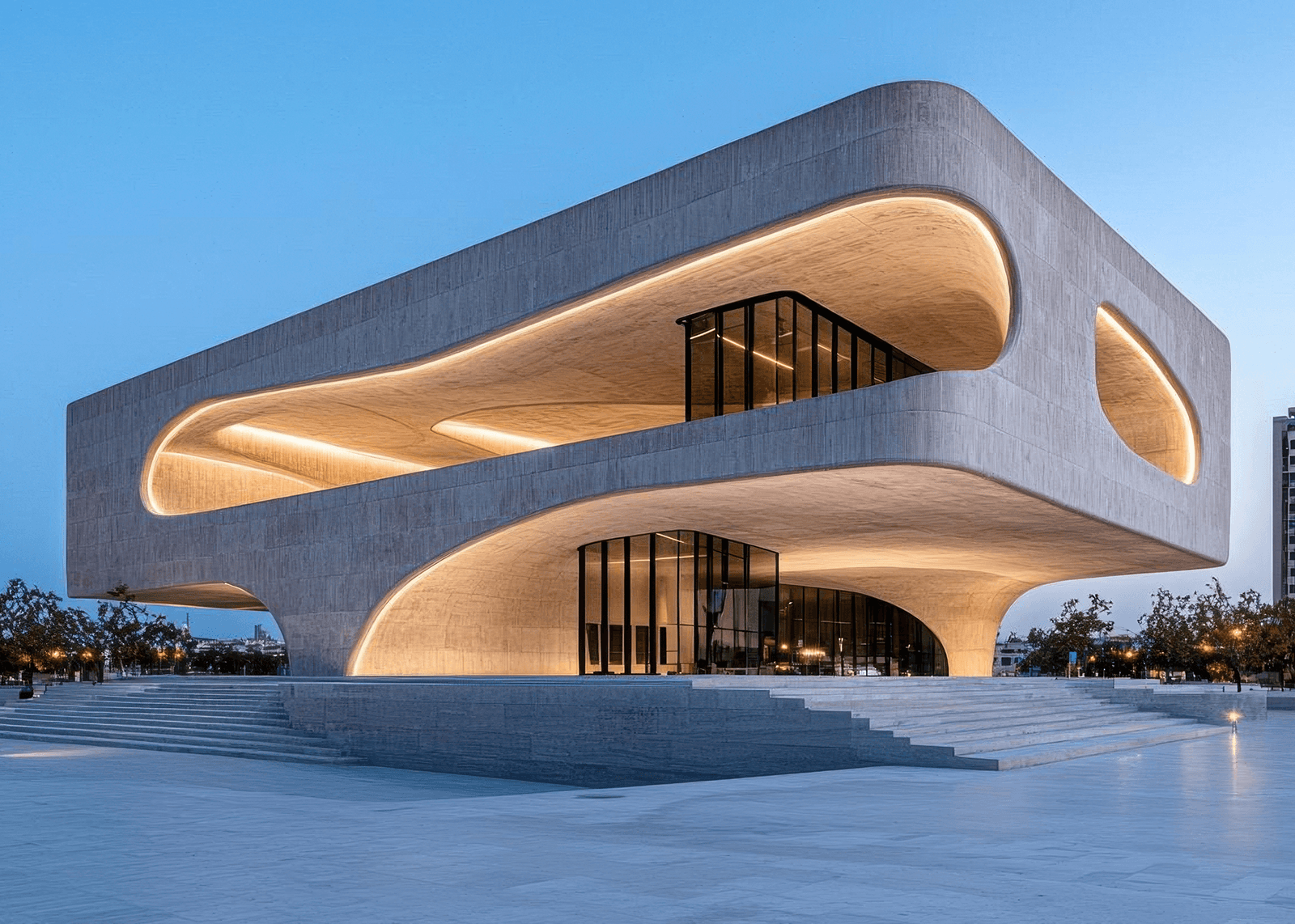
Energy efficiency is one of the most significant trends in sustainable architecture. Modern buildings are designed to consume less energy while maintaining comfortable indoor environments. Architects use advanced insulation systems, high-performance windows, and optimized building orientation to reduce the need for artificial heating and cooling. Natural lighting and passive ventilation strategies are also commonly used to decrease energy consumption. Large windows, open spaces, and strategic shading elements allow buildings to maintain comfortable temperatures with minimal reliance on mechanical systems. Many modern buildings also incorporate renewable energy technologies such as solar panels and geothermal systems. These solutions allow buildings to generate clean energy while lowering operational costs and reducing carbon emissions.
The Future of Sustainable Architecture
Sustainable building design will continue to evolve as new technologies and materials become available. Architects are exploring innovative approaches such as net-zero energy buildings, carbon-neutral construction methods, and modular building systems. Future buildings may produce more energy than they consume and integrate advanced technologies that monitor environmental performance in real time. These developments will play a major role in addressing global environmental challenges.
Conclusion
Sustainable building design trends are transforming modern architecture by encouraging environmentally responsible practices and innovative design strategies. Energy-efficient systems, green roofs, sustainable materials, smart technology, and climate-responsive design are shaping the future of the built environment.
By embracing sustainable architecture, designers and developers can create buildings that are efficient, resilient, and beneficial for both people and the planet. These trends demonstrate that modern architecture can successfully balance creativity, functionality, and environmental responsibility.