blog details
Discover in-depth perspectives, practical knowledge, and thoughtful analysis designed to inform, inspire, and engage
Renovation
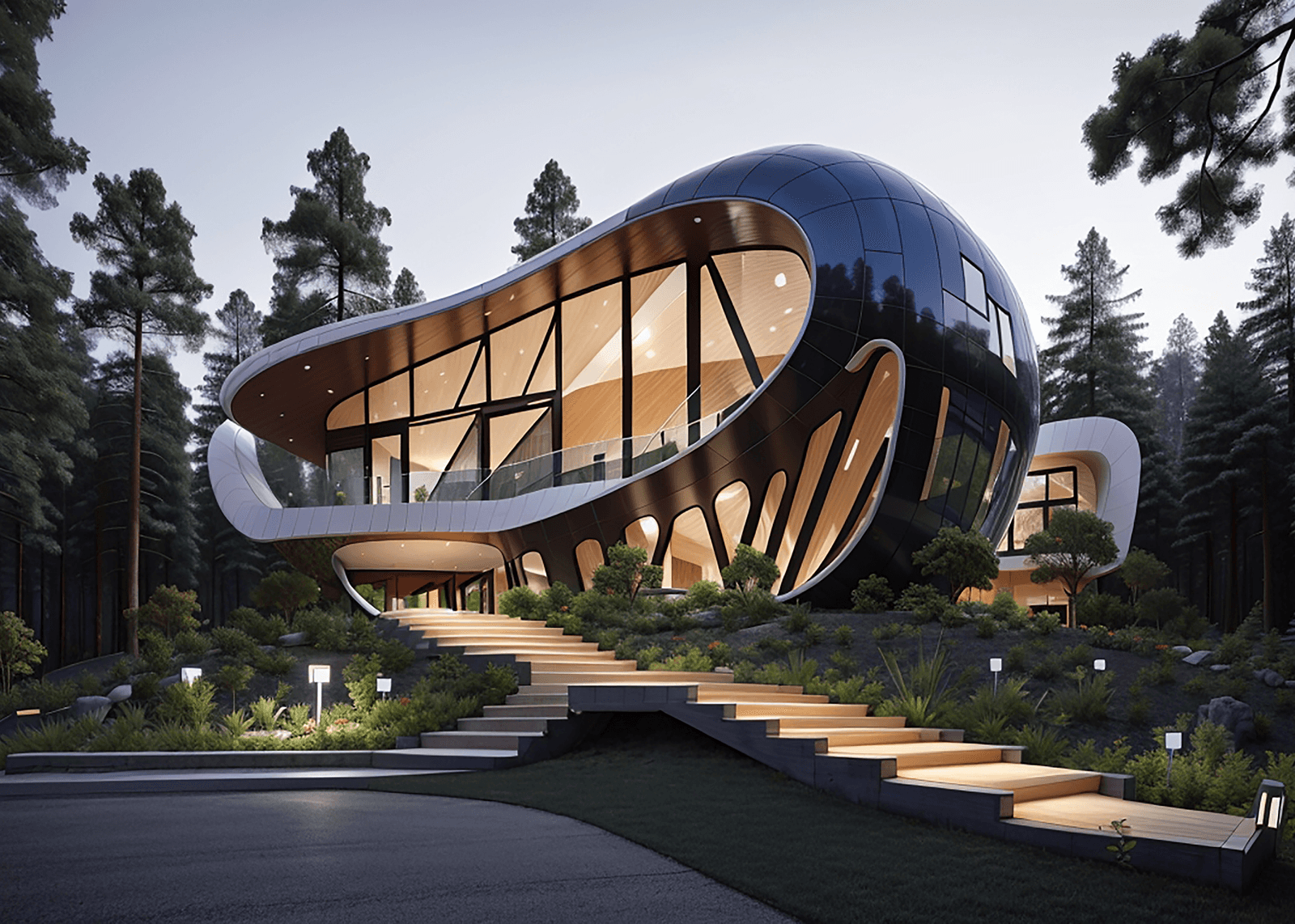
Top Architecture Design Trends for Modern Sustainable Cities
Modern cities are expanding at an unprecedented pace, creating new challenges related to environmental sustainability, resource efficiency, and urban livability. As urban populations grow, architects and urban planners are increasingly focusing on sustainable architecture to create cities that are environmentally responsible and resilient. Sustainable architecture aims to reduce carbon emissions, optimize energy use, and improve the quality of life for urban residents.
Today’s architectural trends emphasize smarter building systems, green infrastructure, and human-centered design. These trends are shaping the future of sustainable city development and transforming how urban environments are planned and built. By integrating innovative technologies and eco-friendly strategies, modern architecture is helping cities become more sustainable and adaptable to future challenges.
Green Infrastructure and Urban Nature Integration
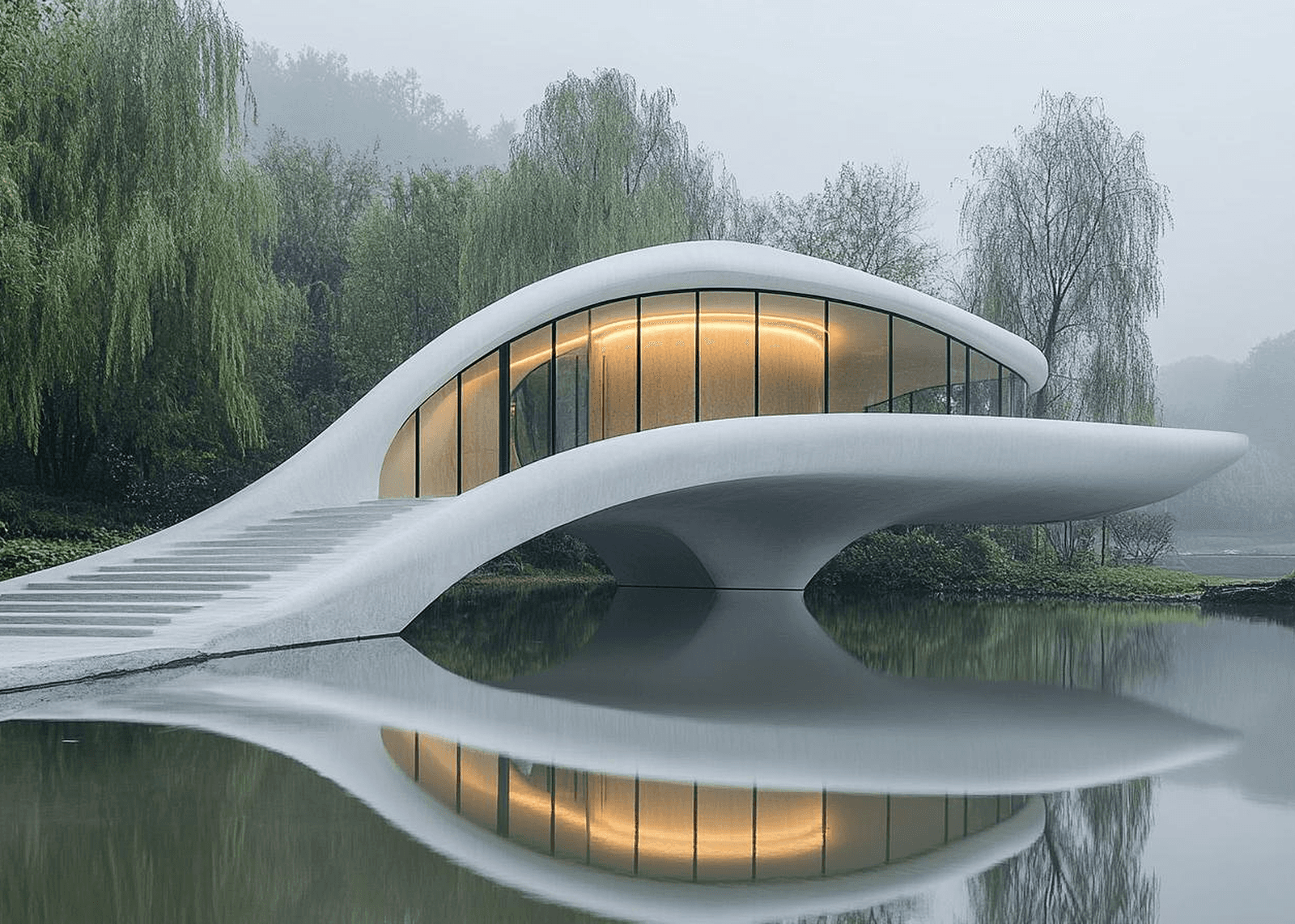
One of the most influential architecture design trends in sustainable cities is the integration of green infrastructure. Architects are incorporating vegetation and natural elements into urban environments to improve air quality, regulate temperature, and enhance biodiversity. Features such as green roofs, vertical gardens, and urban forests are becoming increasingly common in modern city design.
Green infrastructure also helps reduce the urban heat island effect, manage stormwater, and create healthier urban environments. By blending architecture with nature, cities can become more resilient and environmentally balanced.
Adaptive Reuse and Urban Regeneration
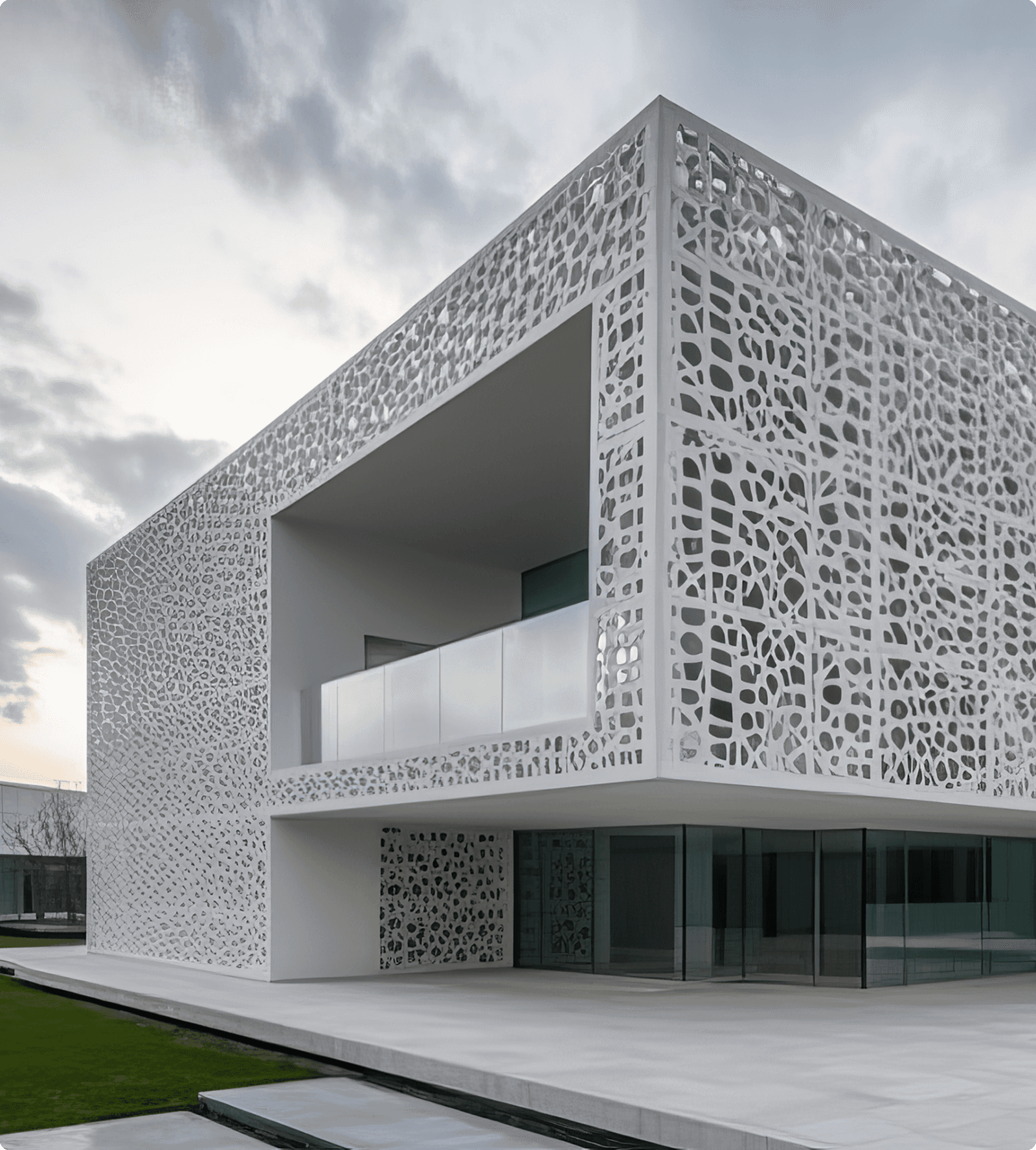
Instead of demolishing older structures, architects are increasingly focusing on adaptive reuse projects that transform existing buildings into modern functional spaces. This strategy reduces construction waste, conserves resources, and preserves historical architecture within cities. Retrofitting buildings with energy-efficient systems, modern insulation, and sustainable façades can significantly improve their environmental performance. Adaptive reuse also supports cultural preservation by maintaining historical identity while meeting contemporary urban needs.
Climate-Responsive and Resilient Architecture
Climate change has made resilience a priority in modern architecture. Sustainable city design now focuses on buildings that can adapt to extreme weather conditions, rising temperatures, and changing environmental patterns. Climate-responsive architecture uses passive design strategies such as natural ventilation, shading systems, and thermal mass materials to regulate indoor temperatures. These strategies help reduce reliance on energy-intensive mechanical systems.