Service Details
We combine expertise, creativity, and attention to detail to deliver solutions that exceed expectations and add lasting value
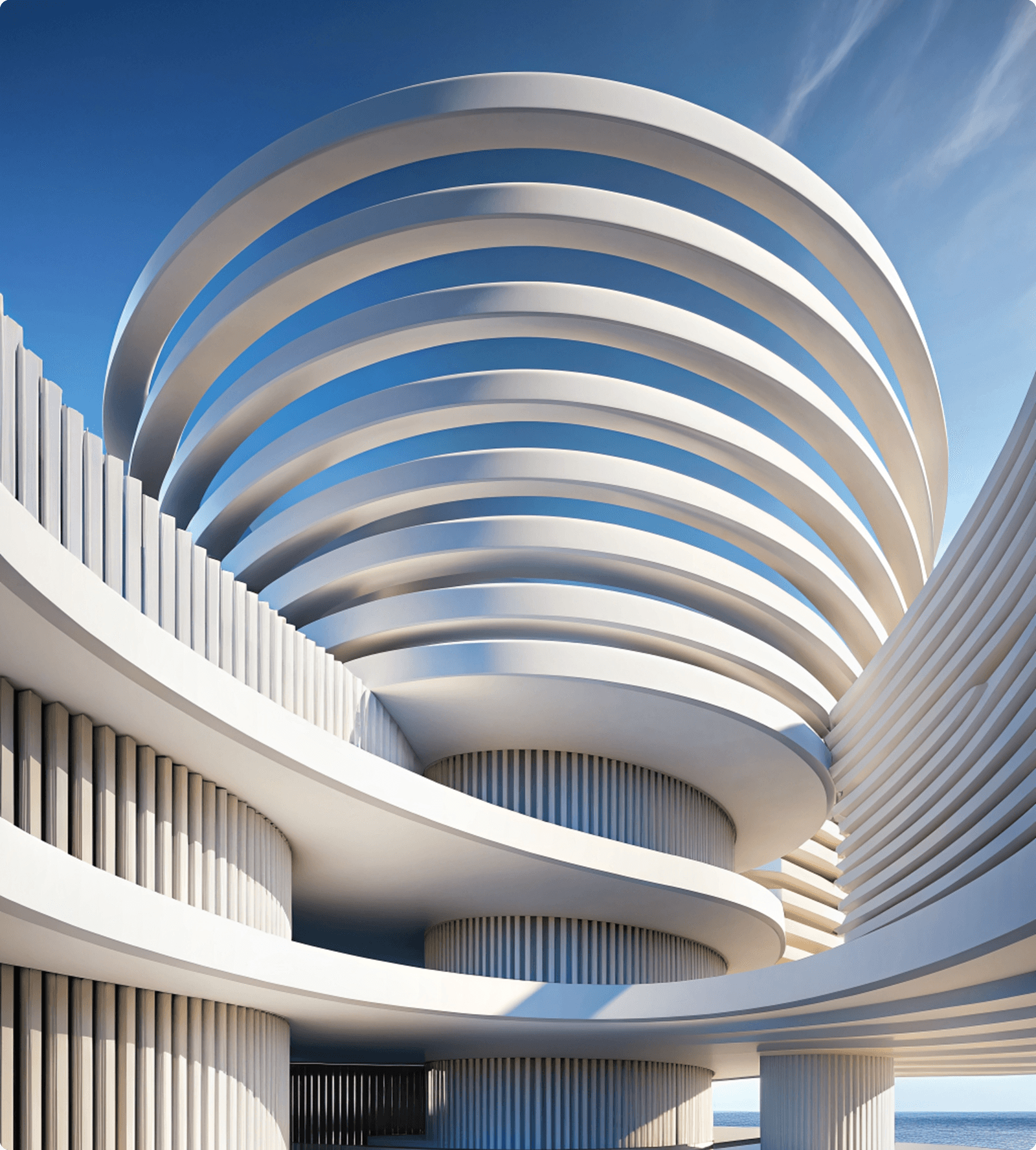
Landscape Architecture
Landscape architecture is the art and science of designing outdoor spaces that are functional, sustainable, and visually captivating. It encompasses everything from gardens, parks, and courtyards to urban plazas, streets capes, and recreational areas. The goal is to create environments that enhance the relationship between people and nature while promoting environmental stewardship. Modern landscape architecture integrates ecological principles, aesthetic appeal, and practical functionality. By combining creativity with environmental responsibility, architects transform outdoor spaces into areas that are both beautiful and usable for communities, businesses, and private properties.
Enhancing Functionality and Usability
A well-designed landscape serves more than an aesthetic purpose—it improves how people interact with outdoor spaces. Architects carefully plan circulation paths, seating areas, recreational zones, and gathering spaces to maximise usability. Functional landscaping ensures that spaces are accessible, safe, and adaptable to various activities. Whether it’s a public park designed for community events or a residential garden optimised for relaxation, thoughtful planning enhances everyday experiences and encourages people to engage with the environment.
Integrating Sustainability and Ecology
Sustainability is a central focus in modern landscape architecture. Designers use native plants, drought-resistant vegetation, and eco-friendly materials to reduce water consumption and maintenance needs. Green infrastructure, such as rain gardens, bios wales, and permeable paving, helps manage storm water and improve urban ecosystems. By promoting biodiversity and supporting natural habitats, landscape architecture contributes to environmental resilience. Sustainable design practices reduce ecological impact while creating healthy, vibrant outdoor spaces for communities and private residences alike.
“ Working with this architecture team has been an absolute pleasure. From the very first consultation, they took the time to understand our vision and lifestyle needs. Their concept designs were not only creative but also highly functional. ”
Almond d. dowson
Founder
Urban and Public Space Planning
In urban settings, landscape architecture is essential for creating liveable cities. Parks, streets capes, plazas, and green corridors improve urban aesthetics, promote walk-ability, and mitigate the urban heat island effect. Urban landscape design enhances social interaction, supports public health, and integrates sustainability into city planning. By incorporating green infrastructure and multi functional public spaces, landscape architecture contributes to more resilient, vibrant, and people-centric cities.
Conclusion
Landscape architecture transforms outdoor areas into functional, sustainable, and visually compelling spaces. By balancing aesthetics, usability, and environmental responsibility, designers create landscapes that enhance human experiences and promote ecological health. From private gardens and residential courtyards to urban parks and public plazas, landscape architecture integrates nature and design to improve quality of life, foster well-being, and create lasting, inspiring outdoor environments.